EXHIBITION ESSAY
By Emma-Kate Wilson
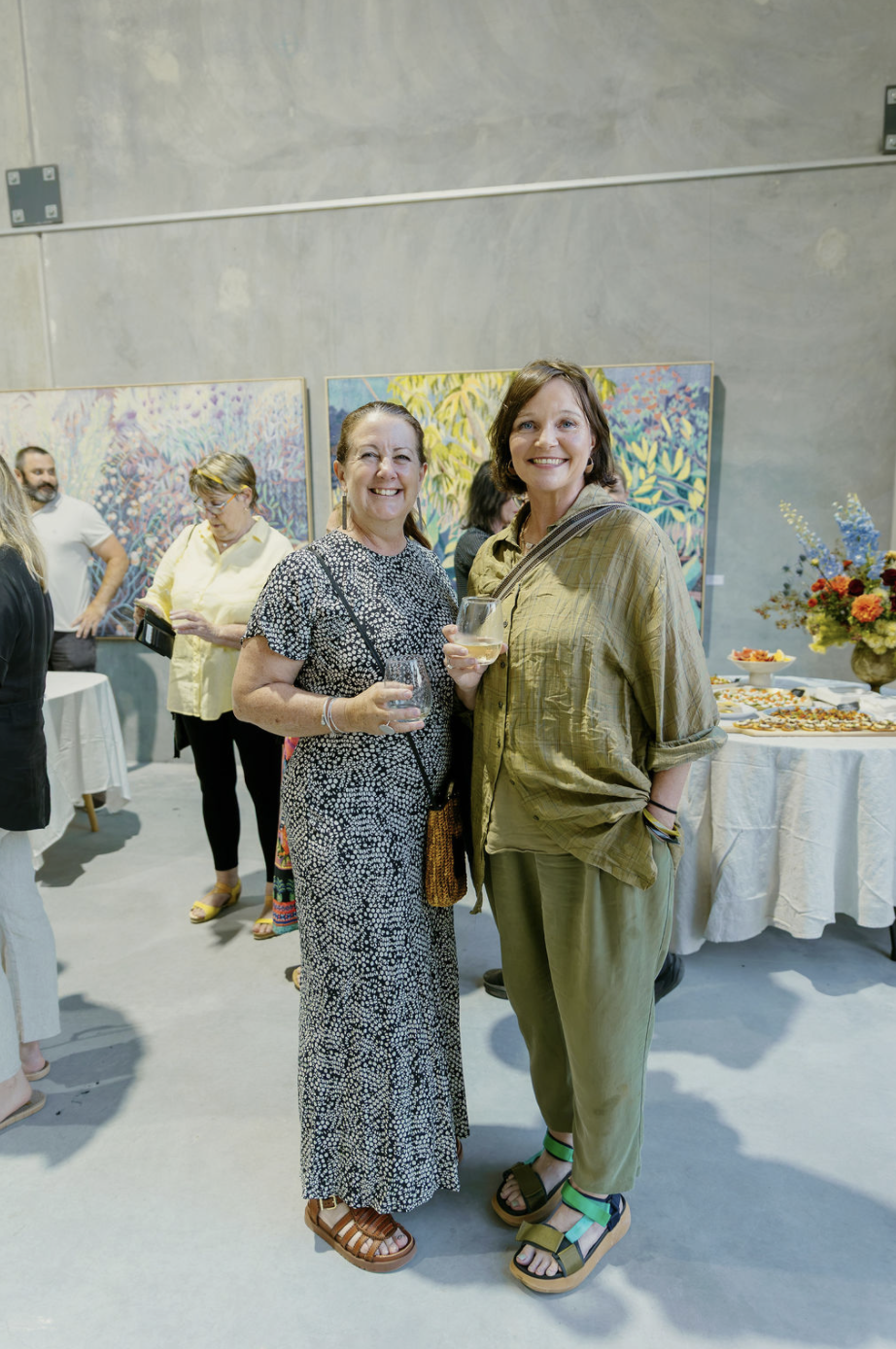
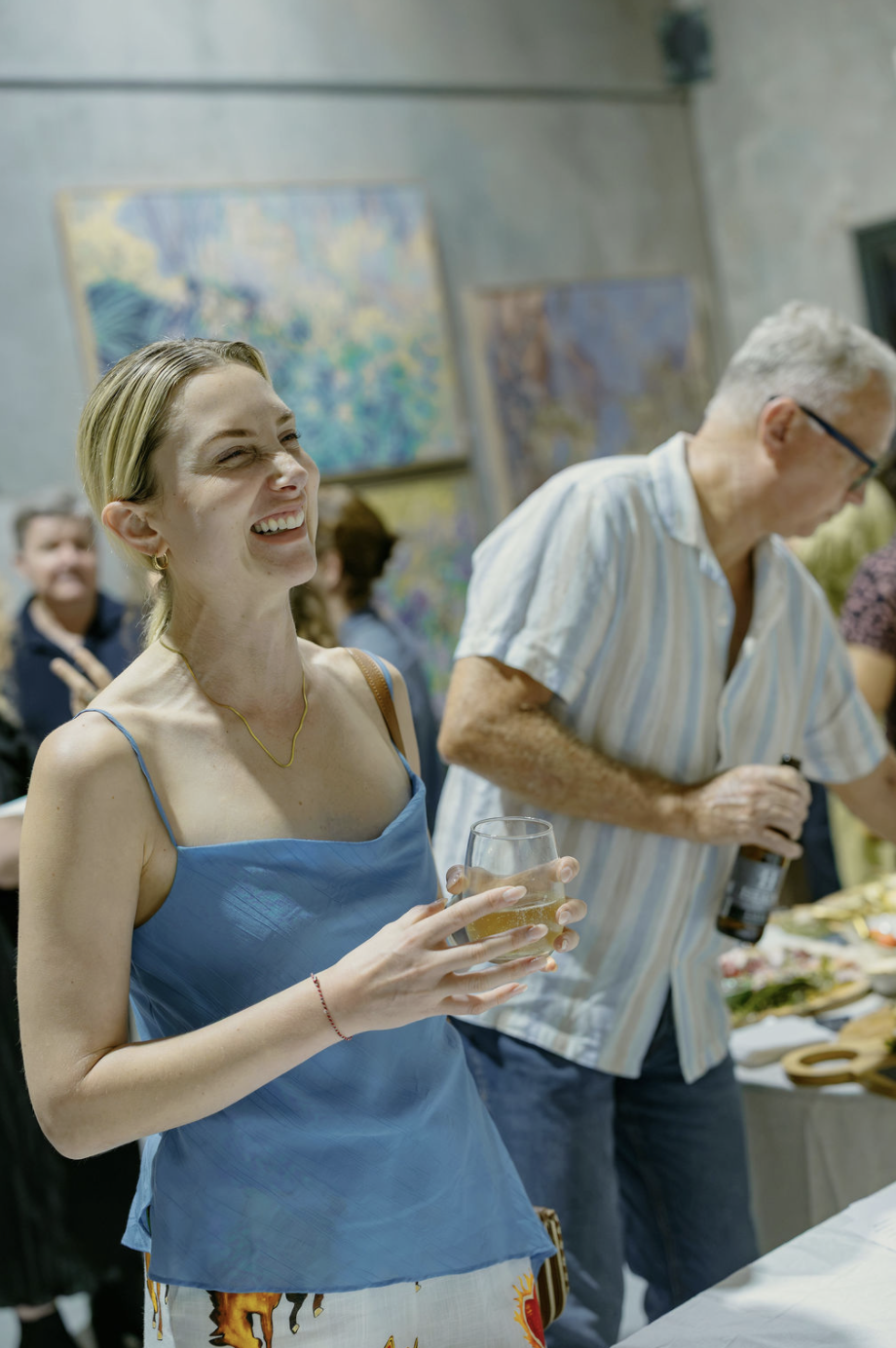
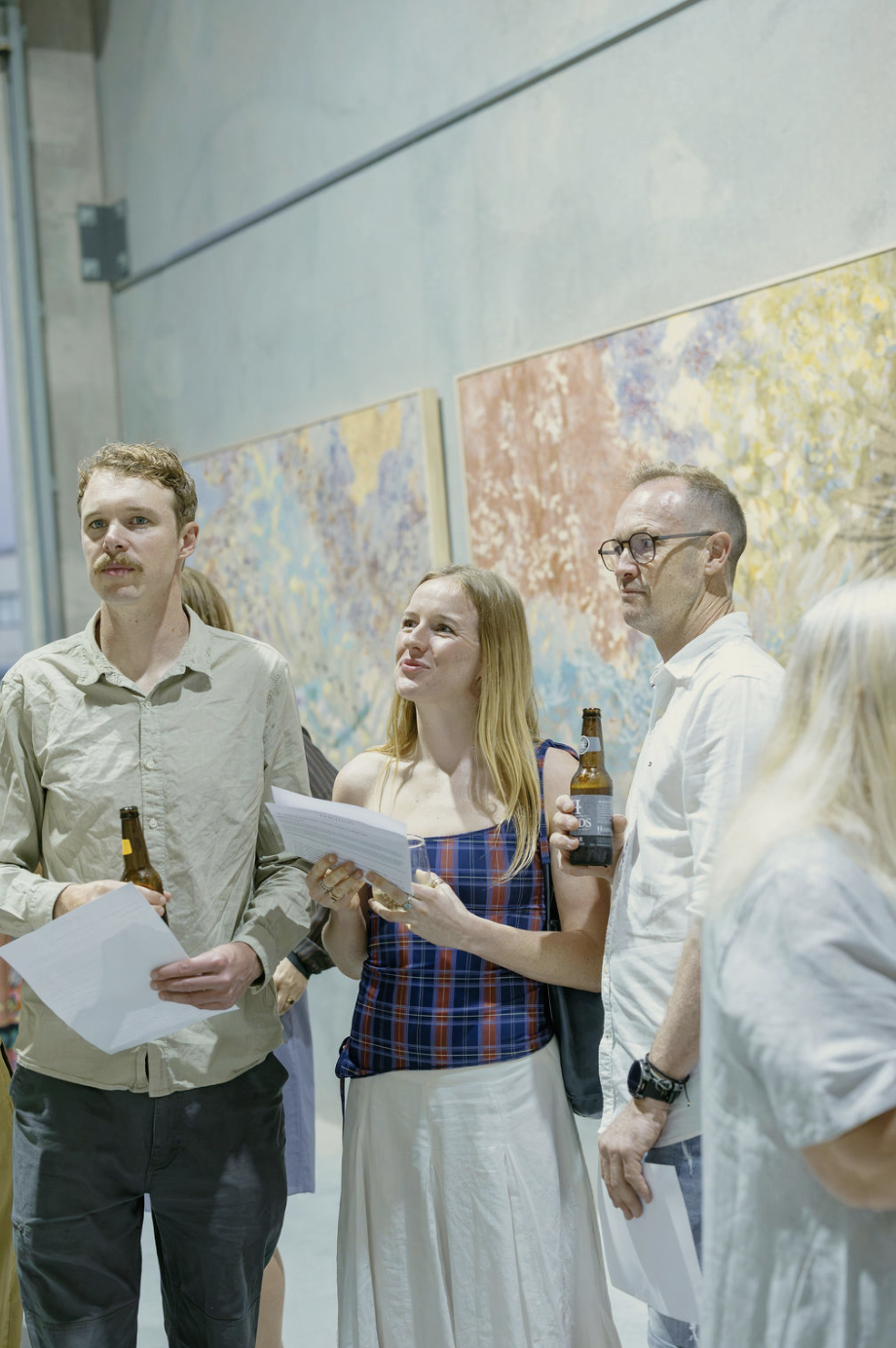
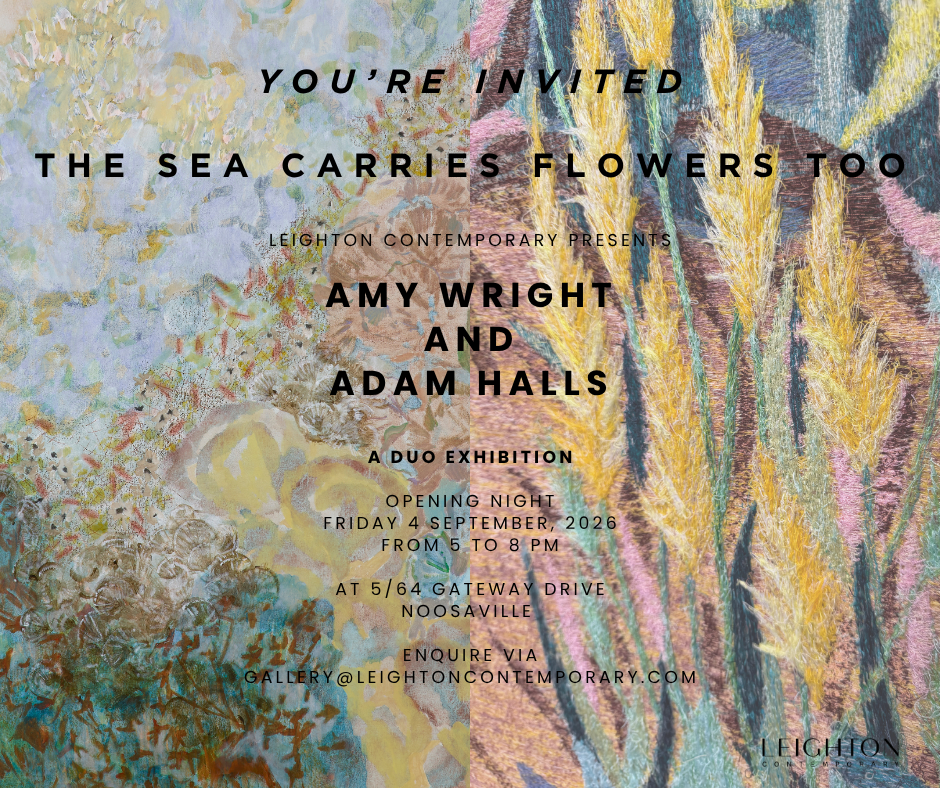
The Sea Carries Flowers Too, a dual exhibition by Amy Wright and Adam Halls, reveals how abstracted landscapes can hold memory and emotion. Curated by Jessica Leighton, the result offers a poetic musing on a connection across oceans, materiality in art, and a process holistically informed by nature’s whims.
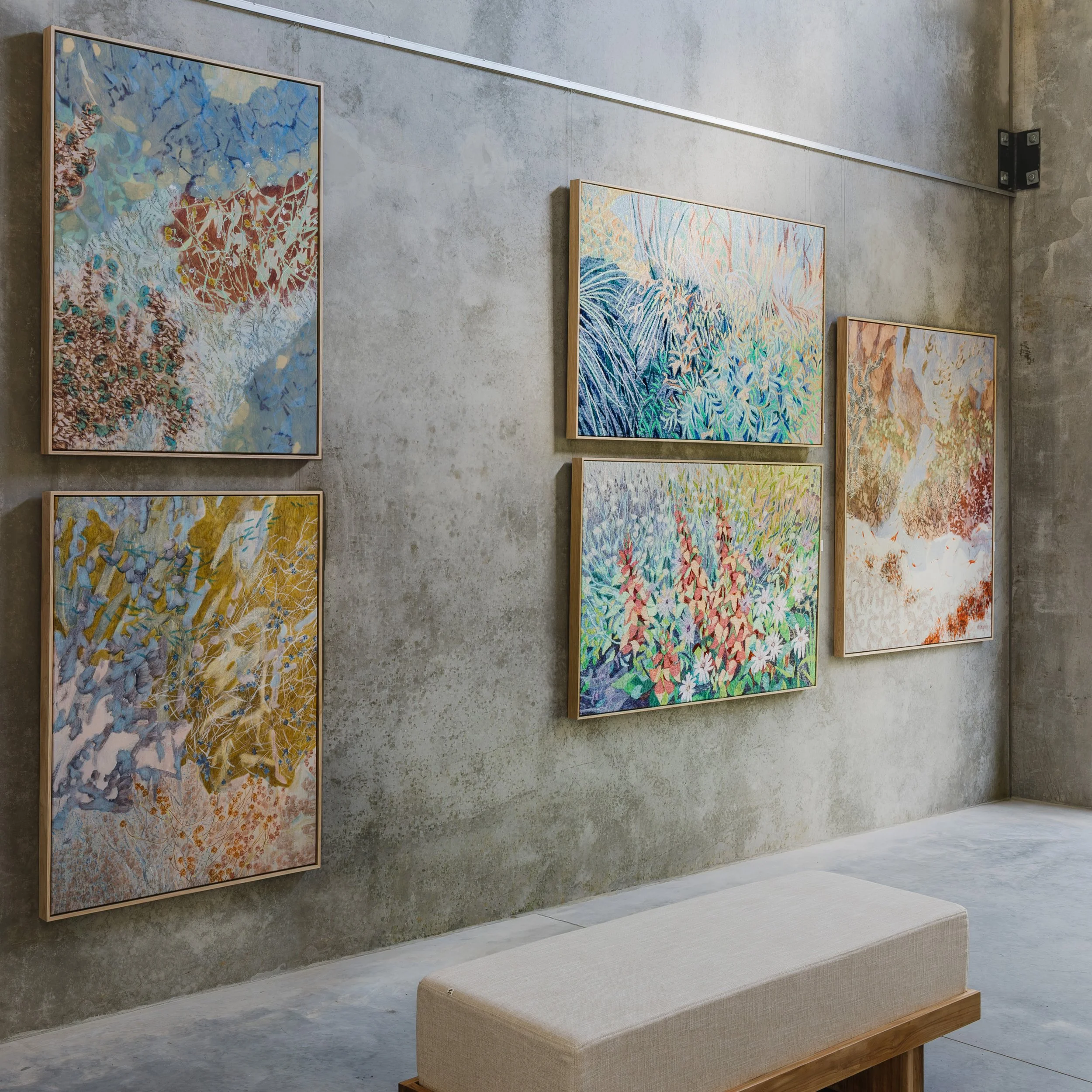
“The exhibition title is an ode to the bodies of water that connect us, the landscapes and the seas that hold and carry so much, a nod to the bridge between memory and environment, as well as an honouring of nature as a sensory experience,” says Leighton. “Wright and Halls inherently understand and expertly harness their materials — textiles, thread, dyes, acrylics, pastels — resulting in works that are luscious and immersive.”
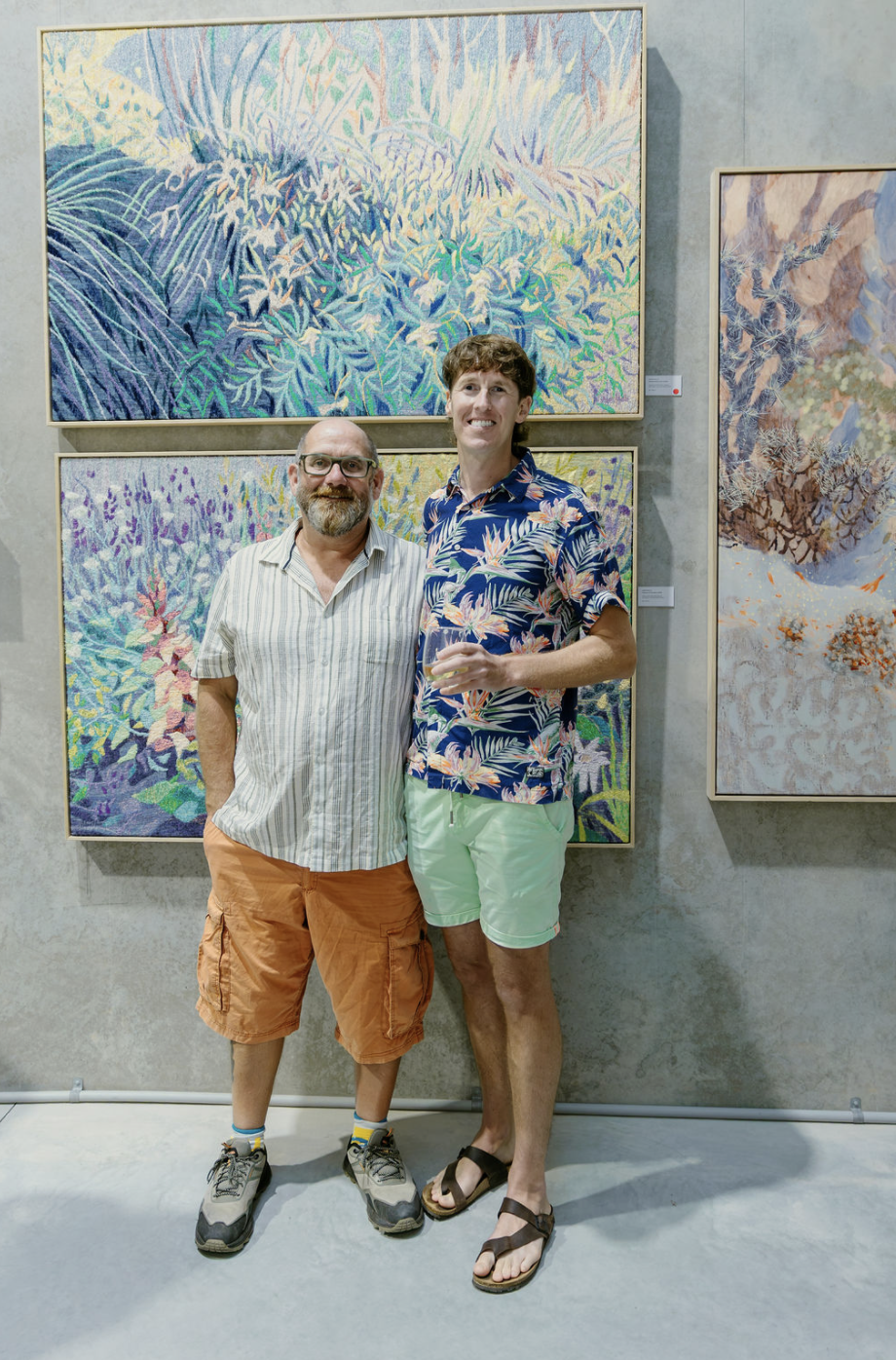
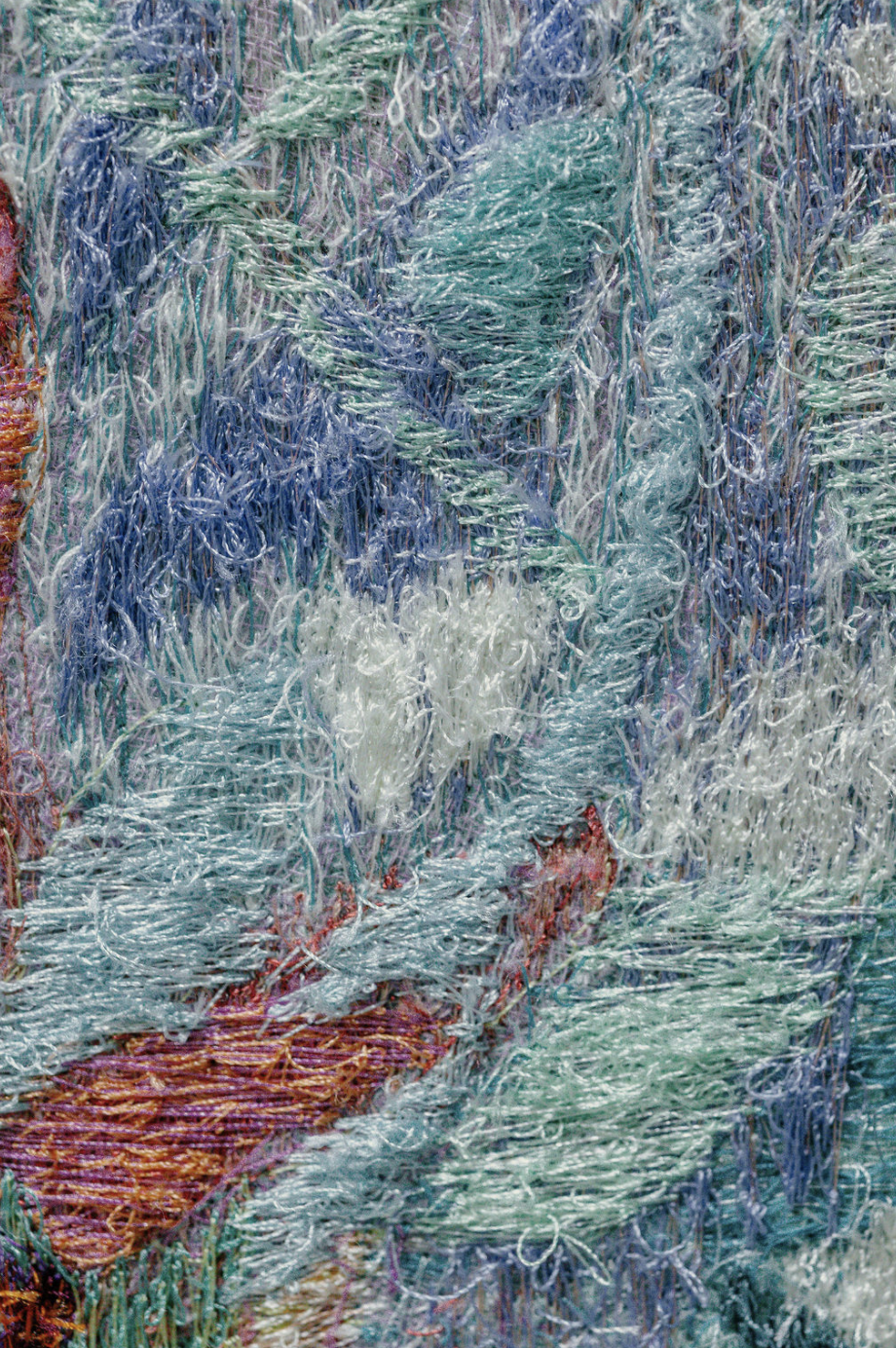
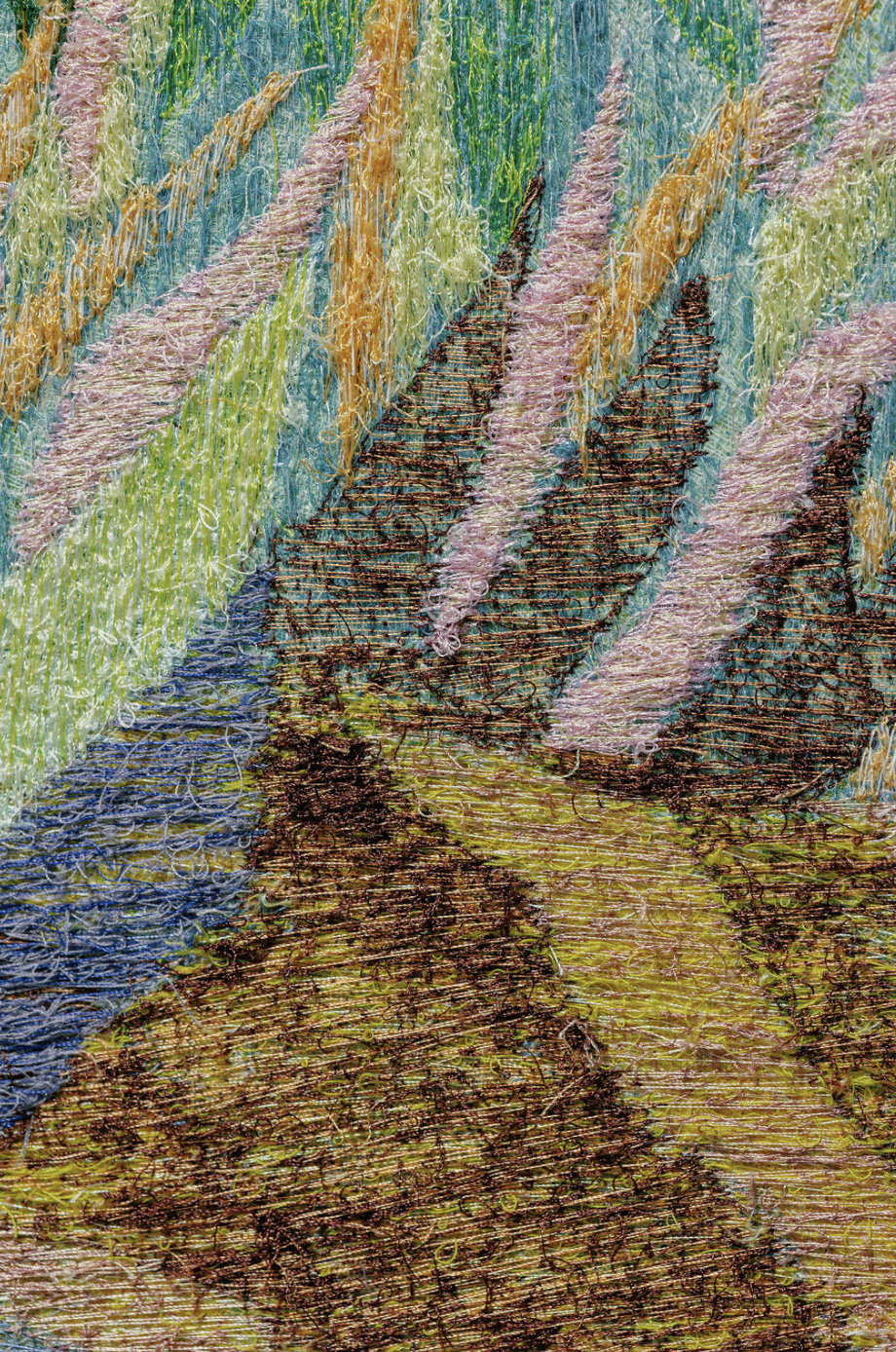
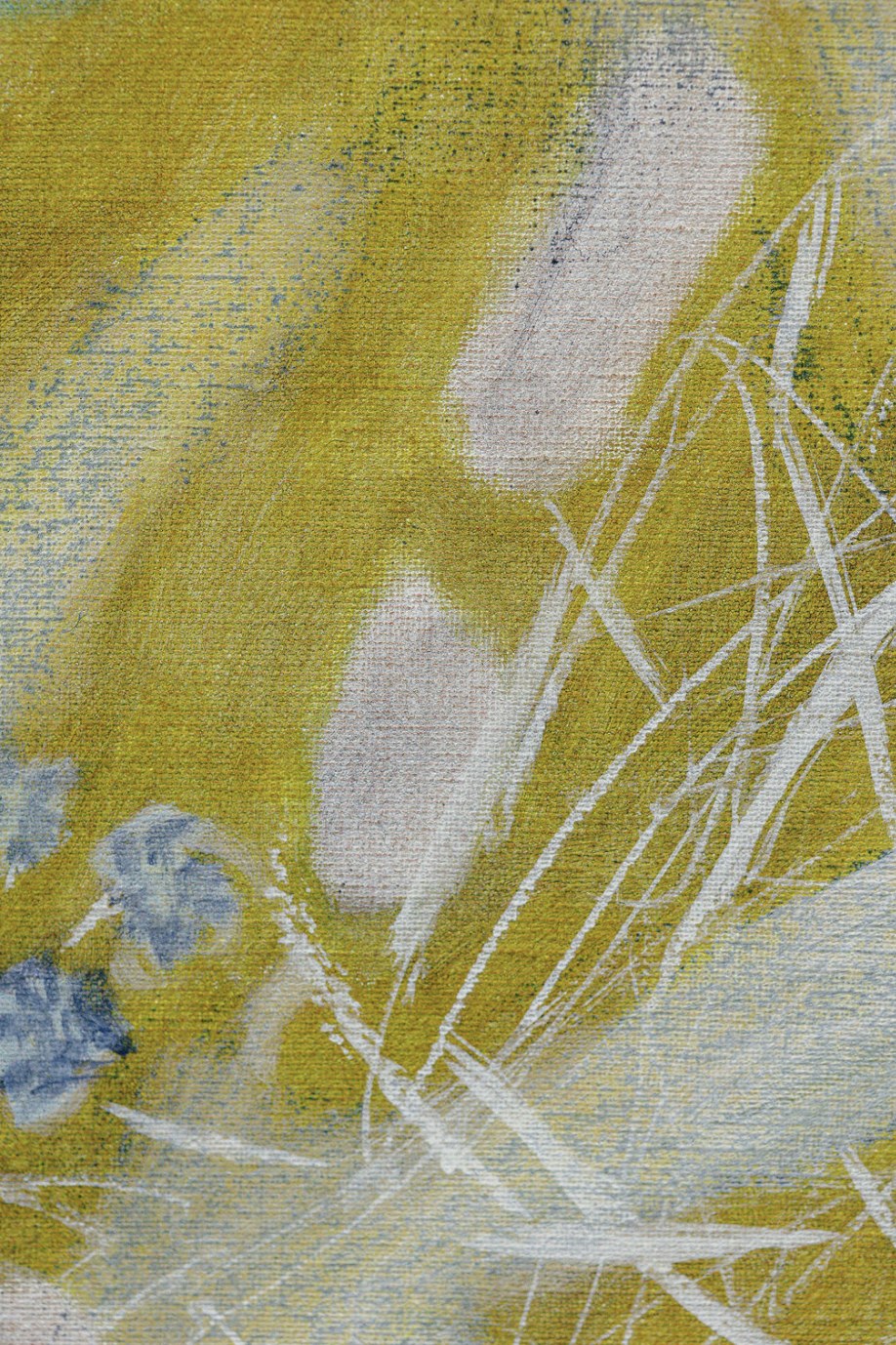
Both artists craft large artworks in their studios, drawing inspiration from their homes in Australia and the UK, as well as visits to Aotearoa New Zealand, Fiji, and the Californian desert. From Cornwall, UK, Halls makes artworks from thread, approached like paintings, building colour through layers of stitches. In Geelong, Australia, Wright’s oeuvre explores acrylic, charcoal, and pastels to craft wild, untamed landscapes.
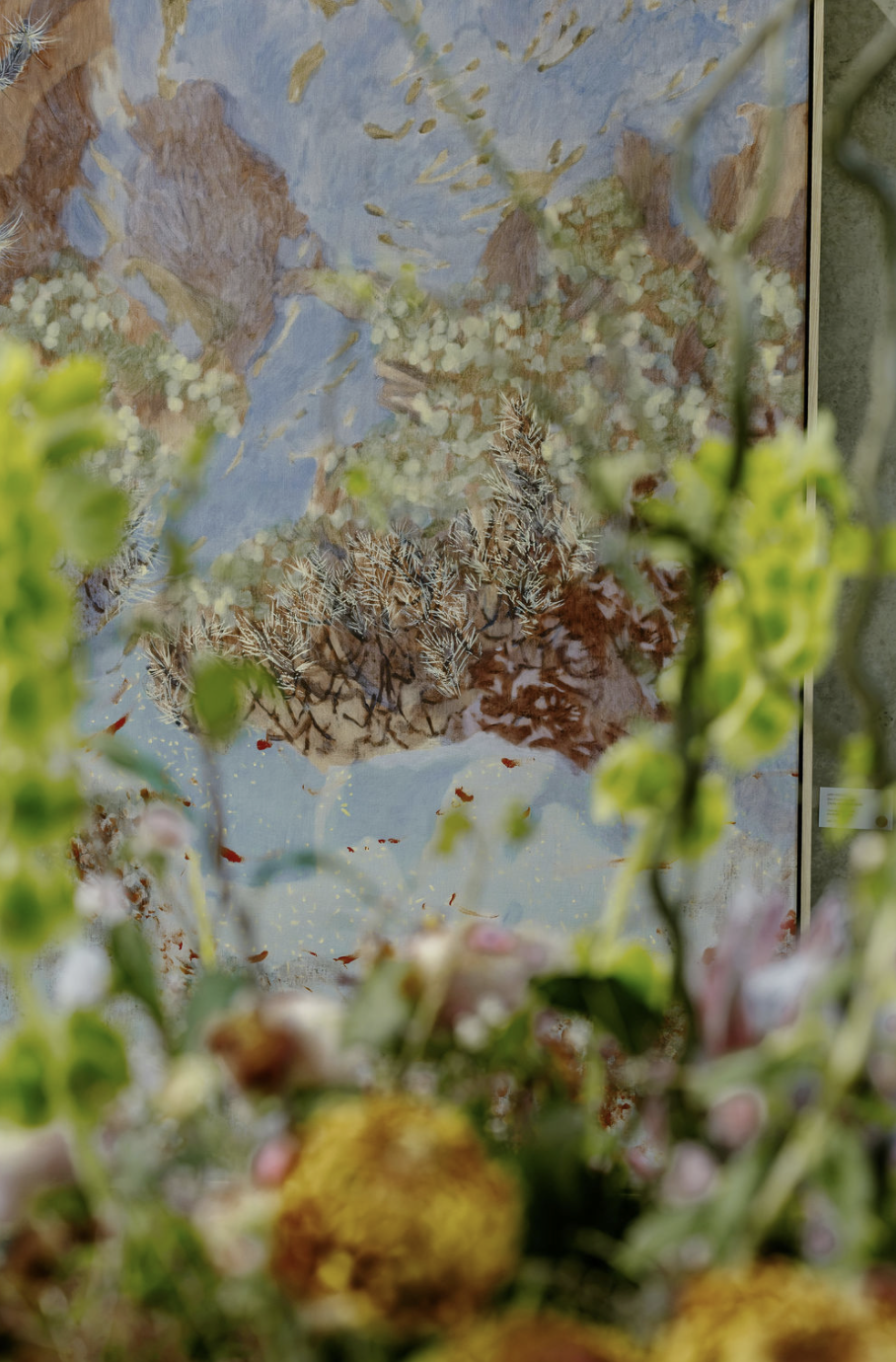
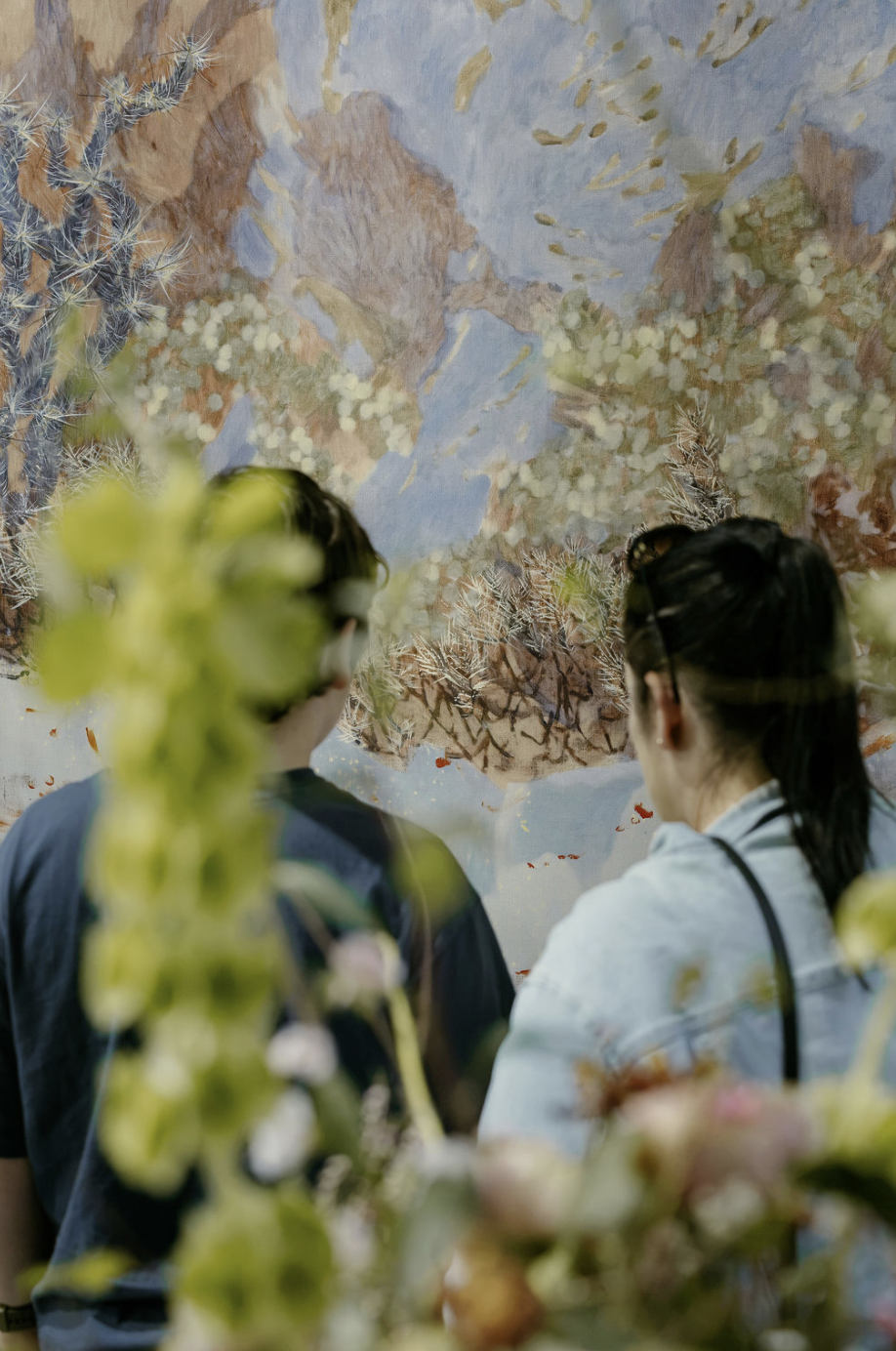
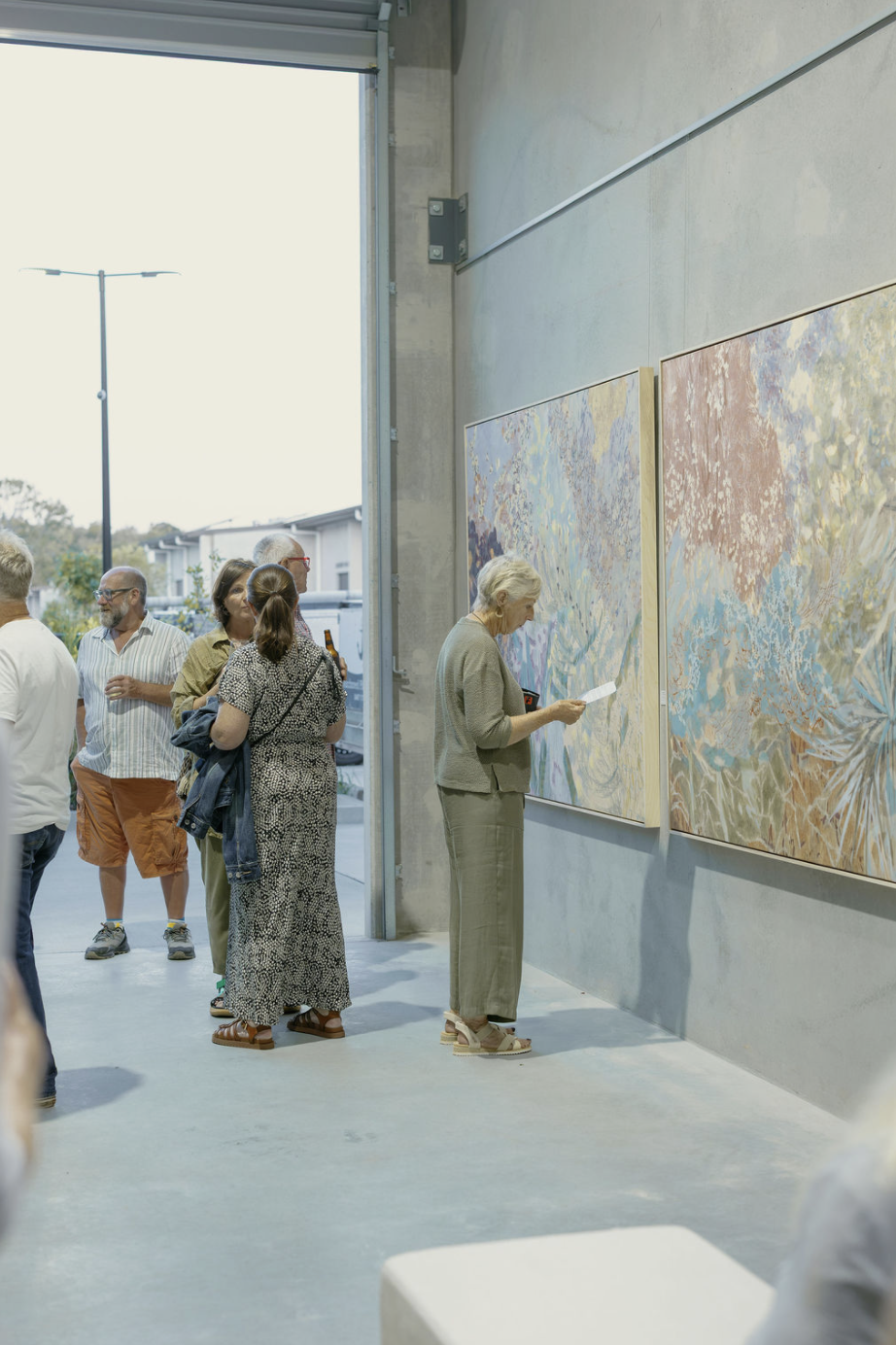
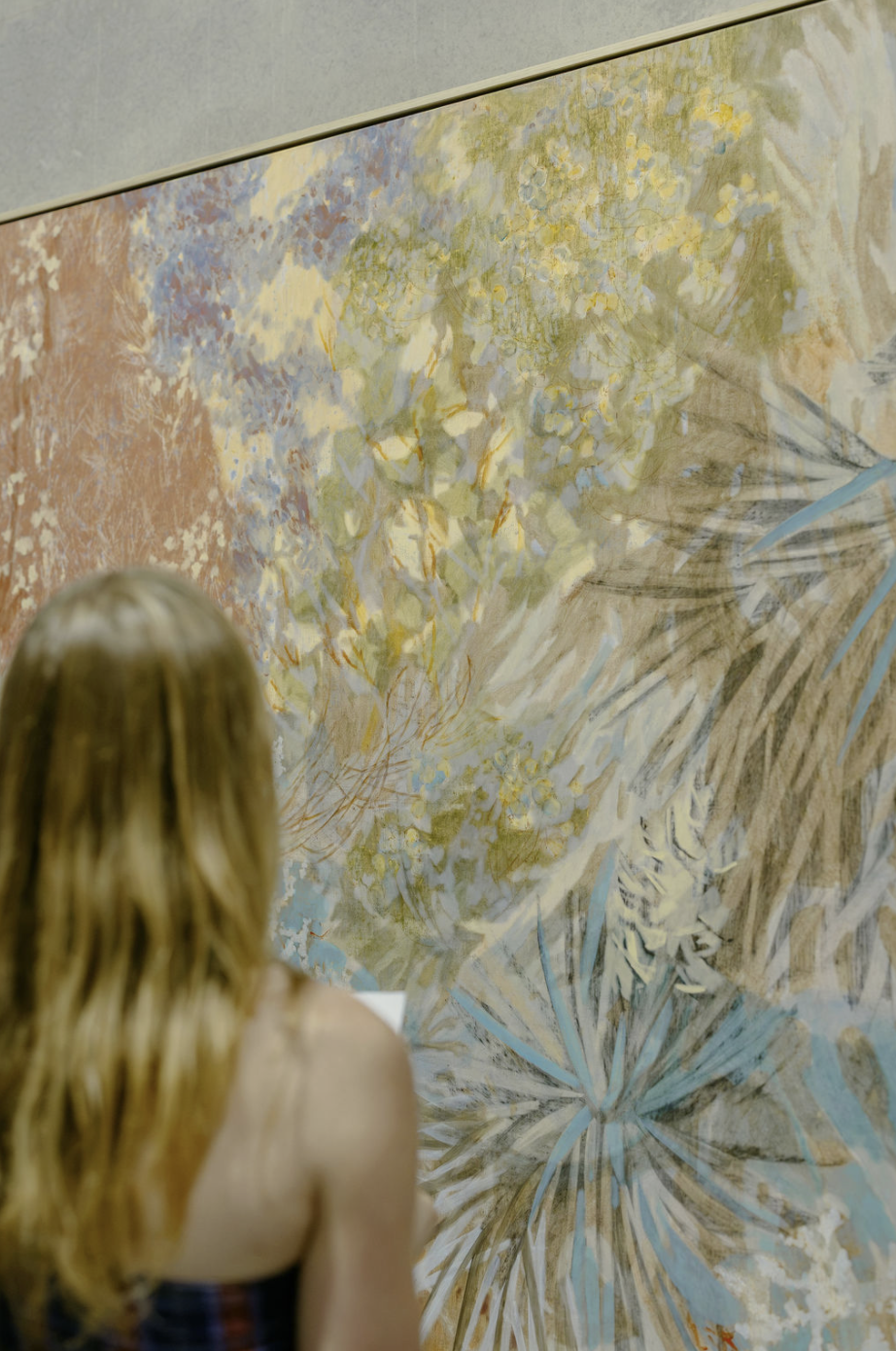
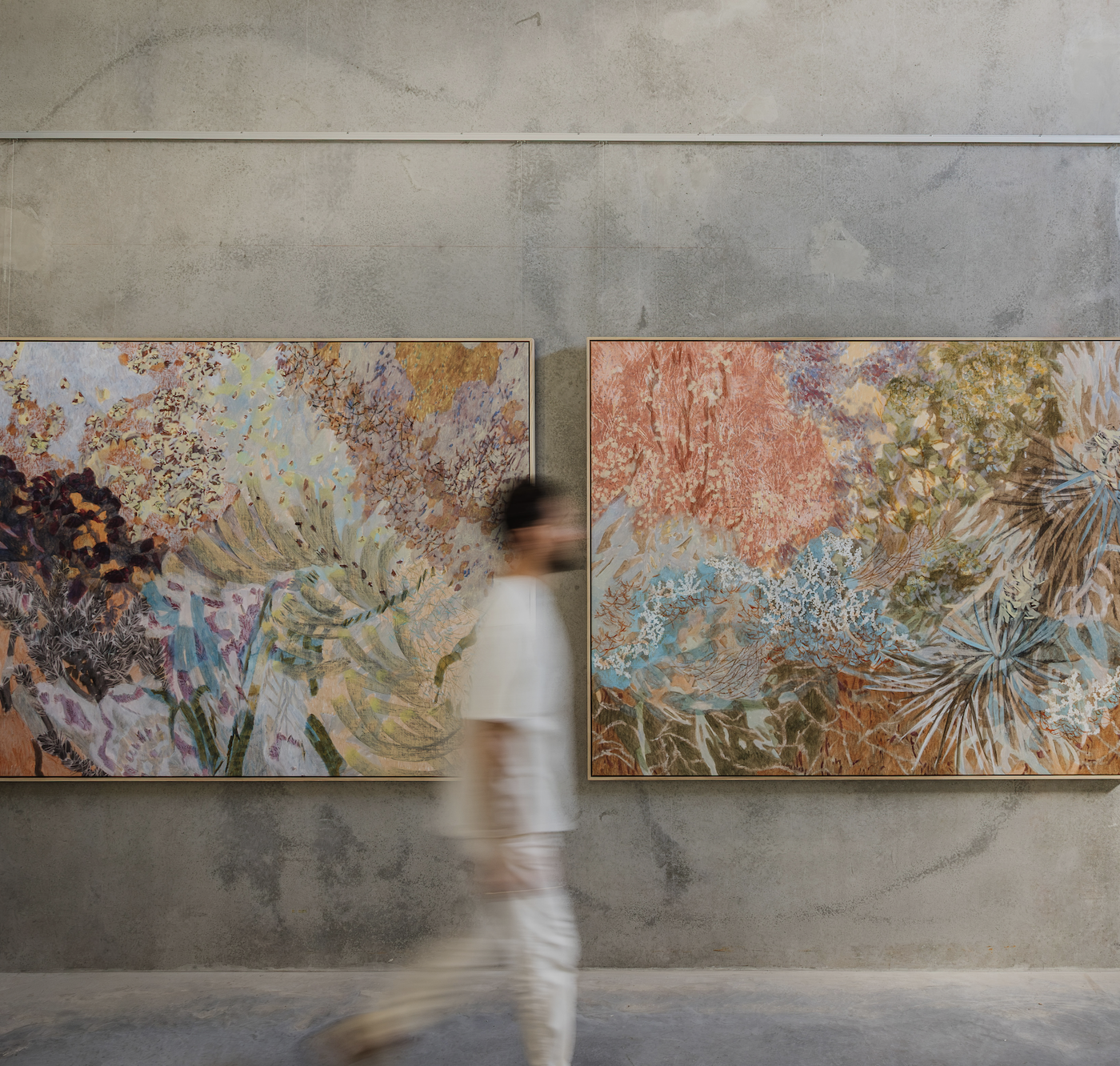
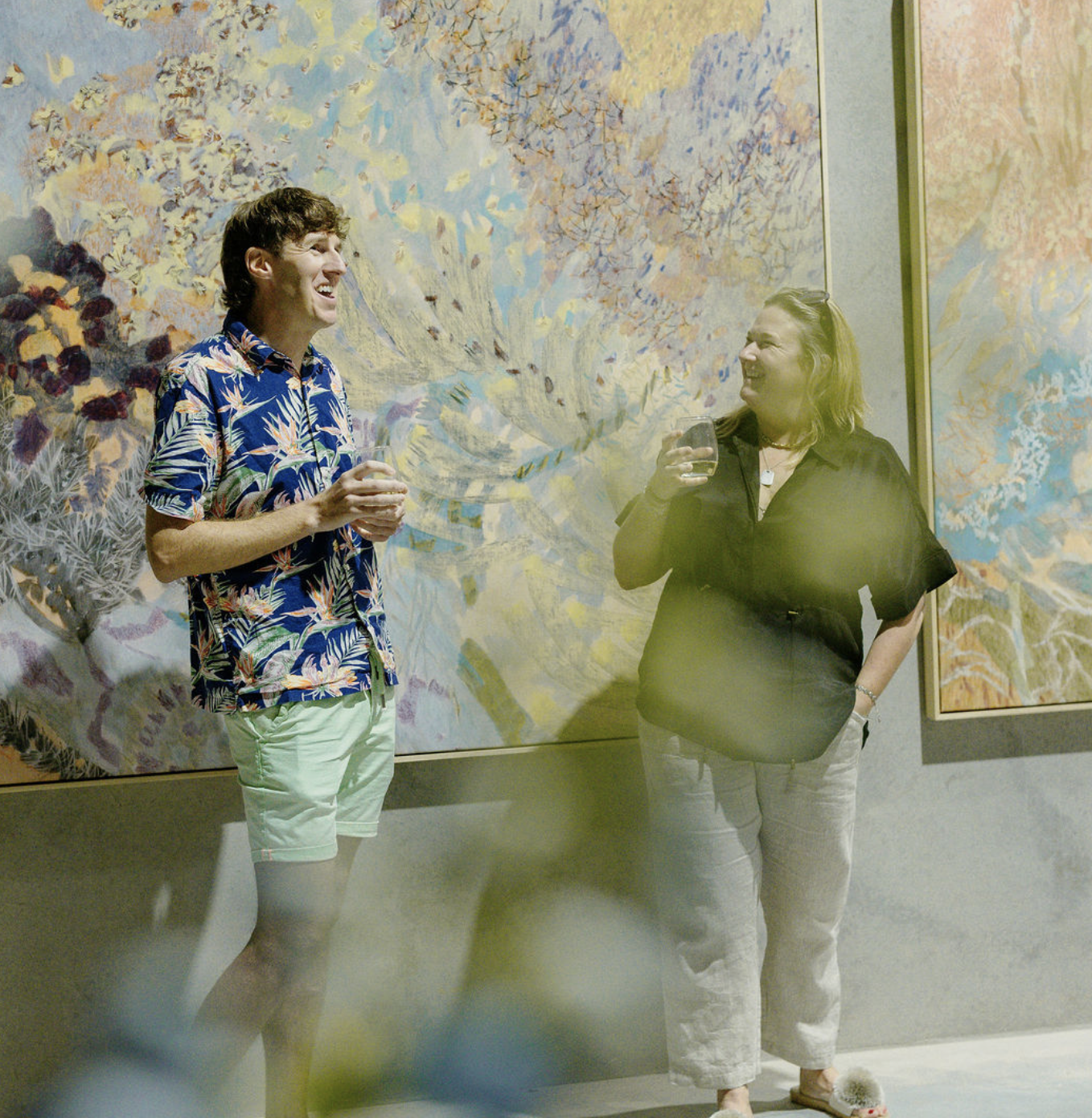
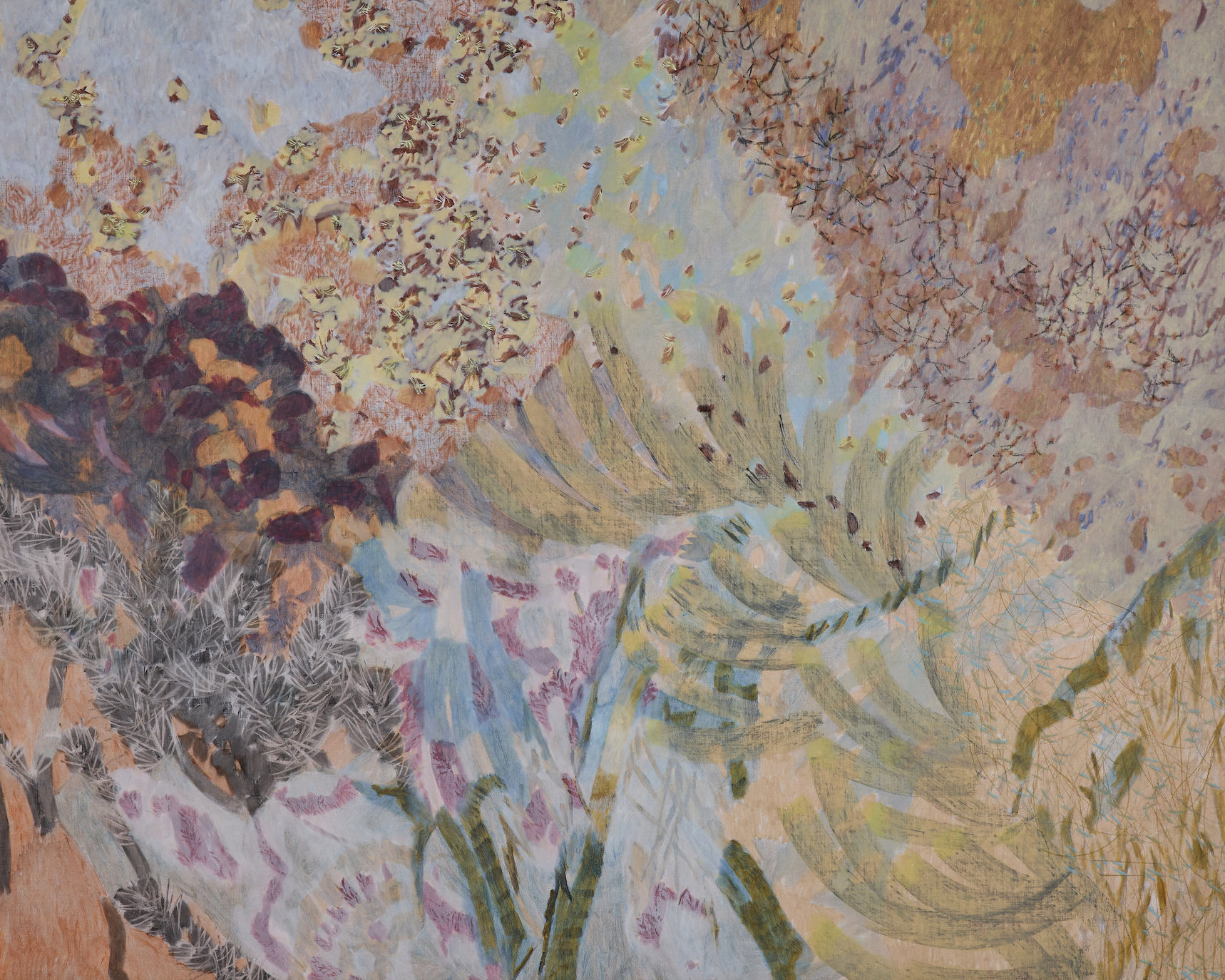
For Halls, this body of work draws on a trip to New Zealand and his garden at home in Bodmin Moor, Cornwall. The pastel hues of dried summer foliage seep into the colour palette of the works; the shapes are balanced by negative space, as they are in nature. For Wright’s mixed-media works, she observed the interconnected networks of the high-summer cacti of Joshua Tree, California, and coral of Fuji, where the shifting light is channelled into her paintings. Here, the connection between land and underwater merges their angular, interlacing forms into a language of resilience.
“I am drawn to seemingly opposing landscapes and the subtle threads that connect them — a shared colour, rhythm, scent or pattern that reveals an unexpected familiarity across place,” Wright shares. Rather than emphasising their differences, I explore their shared structures, gestures and palettes, dissolving the boundaries between land and sea, desert and garden, surface and depth.”
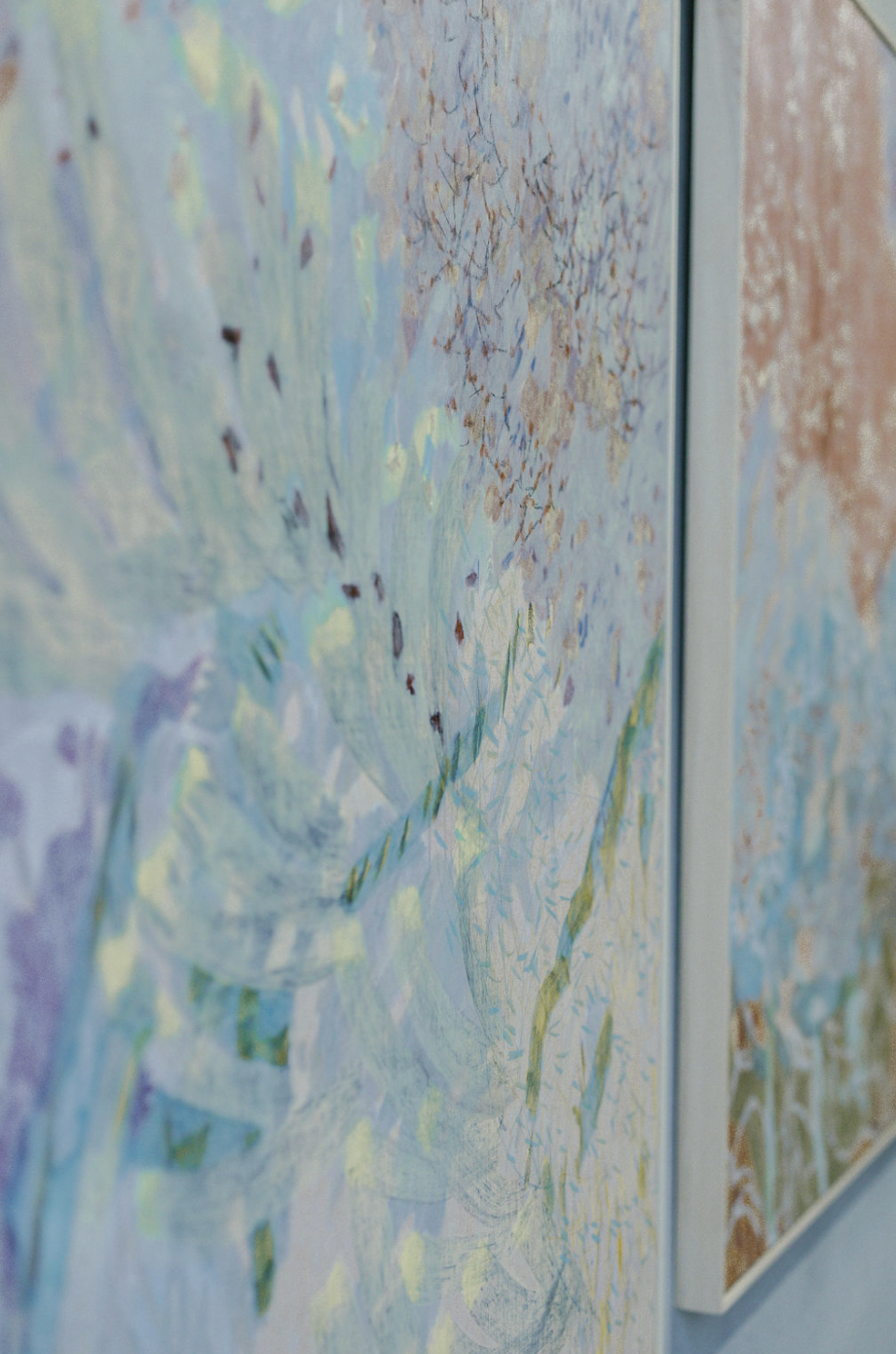
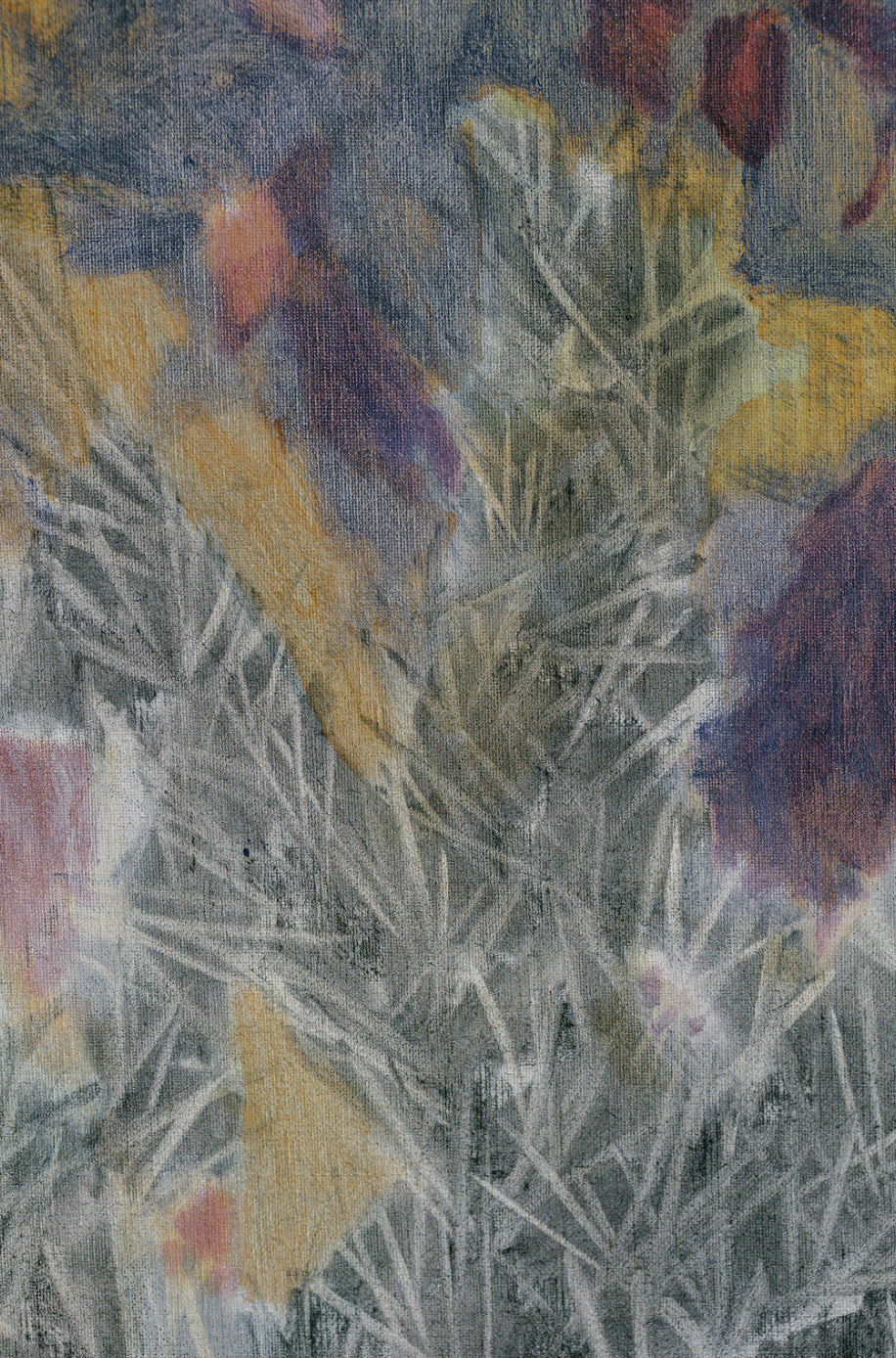
Wright’s artworks depict a sense of finding freedom in organic messiness that generates soul. Photographs from her trips become source material, yet they may be detailed shots of the structure and patterns of the bush—the patterning and textures of the natural world come through in wild, abstract, large artworks. Colours are drawn from the shifting hues of the landscape: indigo and soft greys to cerulean, cobalt, and warm gold. The results are at the whim of what develops and what is nurtured. “These works are driven by sensation as much as observation: the stillness before sunrise, the feeling of floating, the quiet rhythm of waves, and the resilience of plants that thrive in harsh conditions. By bringing these landscapes together, the paintings explore the unexpected similarities between them,” Wright adds.
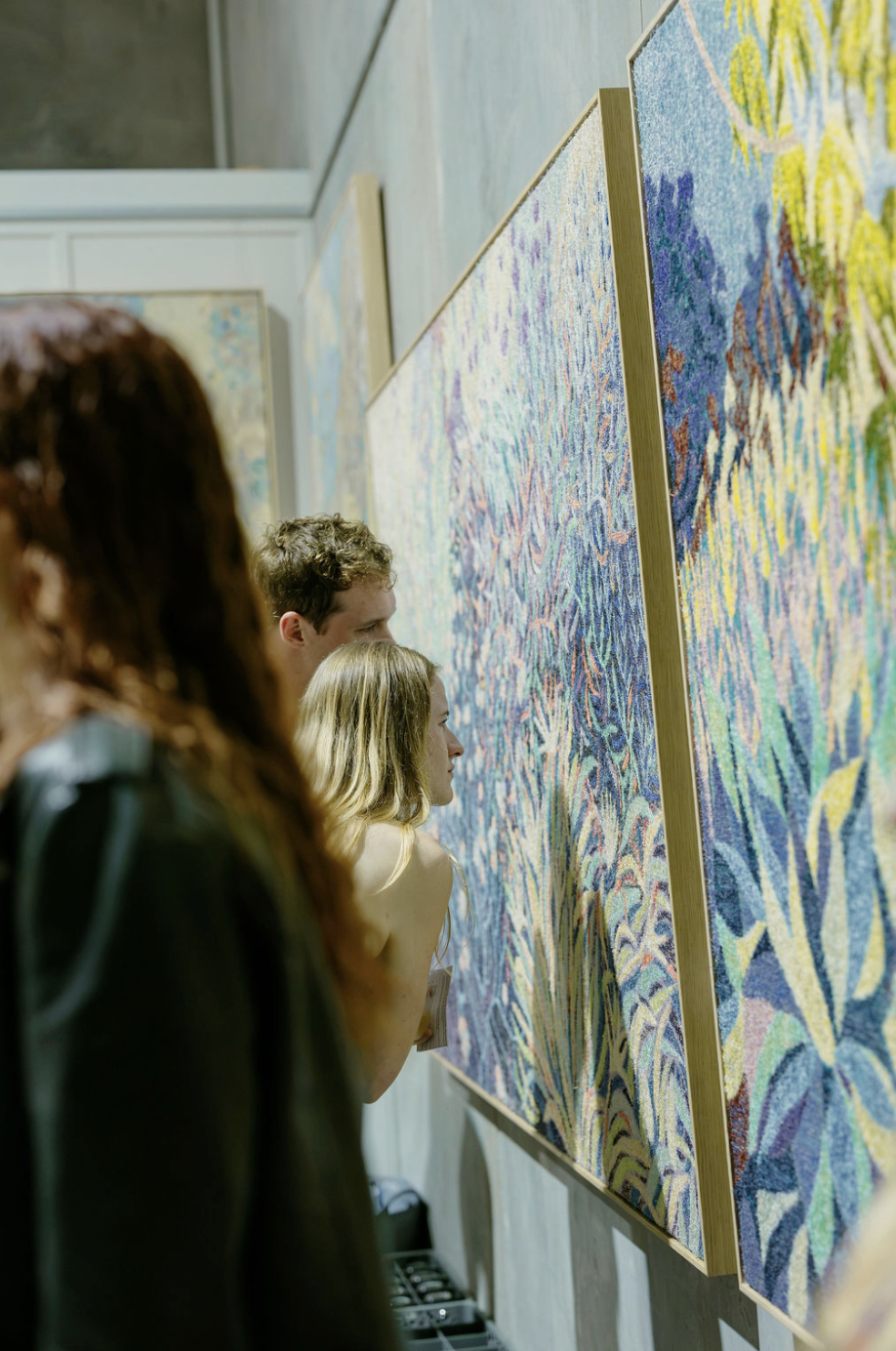
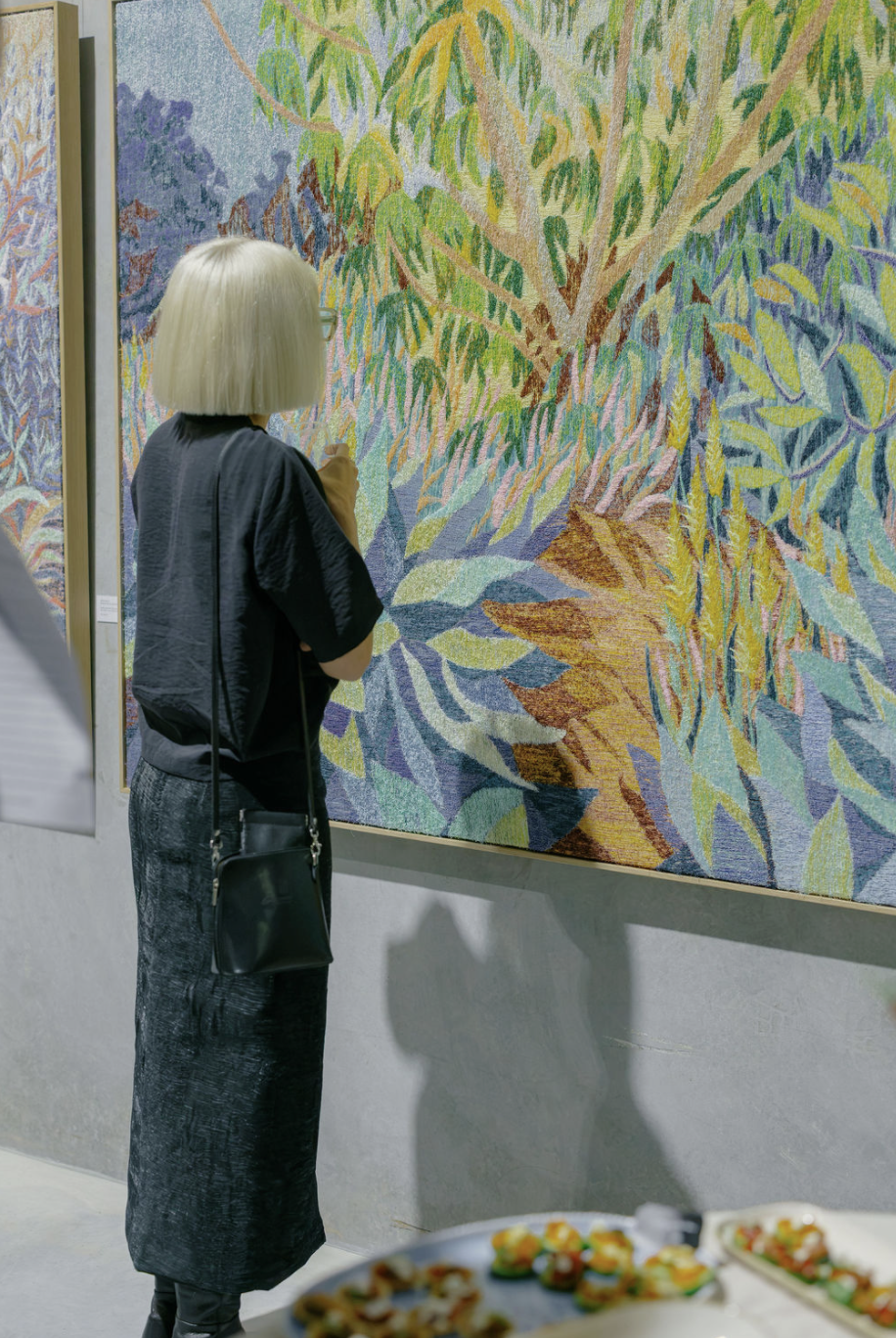
Likewise, Halls builds his compositions on quiet musings on gardens, and his artworks are tended to in a similar sense, with layers of intricate stitches. The final artworks will become full of thread that repeats in cross-sections and various colours, often weighing two kilos. Halls may return the same piece multiple times to achieve tones and textures, working in different directions, like cross-hatching with pencil or blending watercolours. The results evoke the sense of lichen on stone, fallen bark, and flowers in the garden. The stitching picks up on the subtleties of colour, changing with perspective; the sheen of metallic thread or the thickness of cotton thread creates an iridescent optical illusion. Thick and loopy, the textured artworks end up full of organic, tactile materiality — like the many gardens that inspire the pieces — echoing the cycles of growth, decay, and renewal.
“My use of texture has always been a big part of the work,” says Halls. “I put a lot of work into building up the texture by changing the pattern, colour of thread and directional mark, and by layering stitching to play with depth and space, whilst trying to capture the vibrancy and beauty of what I’ve seen.”
The Sea Carries Flowers Too evokes the vibrating energies, revealing how the human psyche connects to the untamed environment — the frequencies and resilience of life determined to survive. As Leighton muses, “we see a wild energy in their exquisitely detailed works; with each glance closer, we see more unfold; the emotion both artists convey in their work is palpable.” From two quite different processes, the artworks morph between alternative viewpoints: the graphic geometries of flowers and gardens and the unexpected plants and so-called weeds. Yet fundamentally, both invite a connection to the natural world and a sense of peace in surrender.